

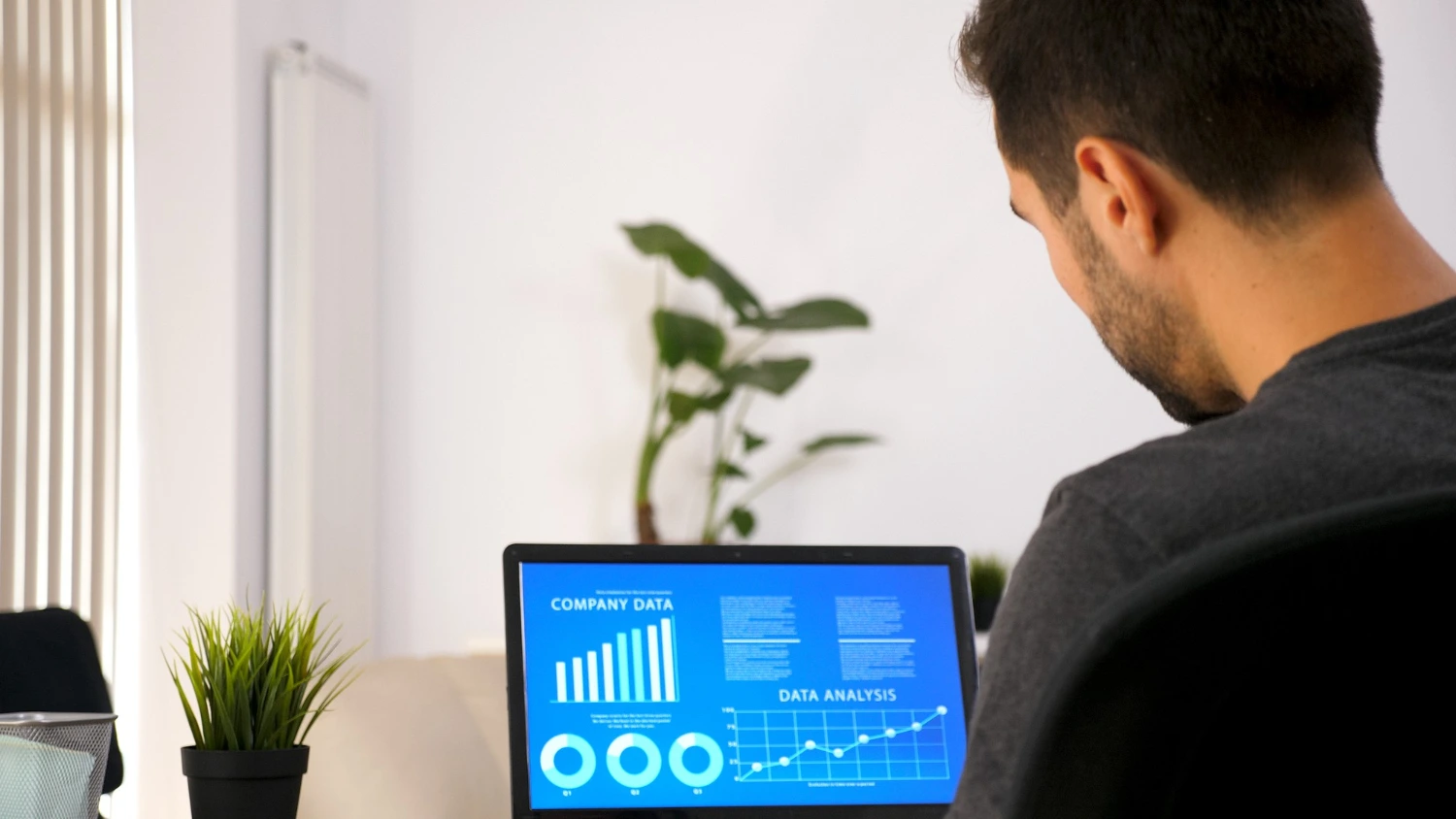
Transforming Data into Insights: A Case Study in Dashboard Consulting and Visualization
Lightray Solutioms data visualization services
In today's data-driven world, organizations progressively count on insightful visualizations to make educated choices. This case study explores the journey of Corporation, a mid-sized manufacturing business that leveraged control panel consulting to improve data visualization, improve operations, and enhance decision-making processes.

Background
Corporation, established in 2005, specializes in producing top quality automobile parts. Despite experiencing development, the business faced difficulties connected to data management and analysis. Departments ran in silos, using disparate systems that led to irregular data and prolonged report generation times. Leadership acknowledged the need for a comprehensive service that might combine information and provide actionable insights.
Identifying the Problem
The business's data landscape consisted of multiple legacy systems: a sales CRM, production tracking software application, and a stock management tool. Each department gathered data pertinent to its function, however without combination, the data was fragmented. Sales groups relied on weekly reports that took days to compile, while production managers had restricted visibility into inventory levels, producing ineffectiveness and resource allocation problems.
Management understood that to stay competitive, it was crucial to develop a central data service that would make it possible for cross-functional insights and faster decision-making. The initial step was engaging a dashboard consulting company, DataVisor, focusing on data visualization and business intelligence services.
Engagement with DataVisor
DataVisor began with an extensive evaluation of Corporation's existing data infrastructure, speaking with essential stakeholders from sales, production, and inventory management. They determined several discomfort points:
- Data Silos: Each department had its systems, causing inconsistencies in data formats and accessibility.
- Limited Visual Insight: Reports were mostly text-based, doing not have visual representation that might highlight abnormalities and patterns.
- Inefficient Reporting Processes: The time taken to produce reports impeded timely decision-making.
Based upon this assessment, DataVisor proposed a vibrant control panel option using Tableau, a leading business intelligence tool. The goal was to incorporate the different data sources into a single, interactive control panel that supplied real-time insights.
Implementation Process
The execution phase was broken down into 4 essential stages:
- Data Combination: DataVisor worked closely with XYZ's IT team to incorporate data from the CRM, production, and stock management systems into Tableau. They used APIs and data warehousing to develop a centralized repository, guaranteeing that users accessed precise and consistent data.
- Dashboard Design: In partnership with essential stakeholders, DataVisor developed wireframes for the dashboard. They focused on user experience, guaranteeing that the user interface was instinctive and actionable. Stakeholders supplied important feedback on the visual aspects, resulting in a dashboard that displayed vital KPIs, such as sales patterns, production rates, and stock levels, all in one view.

- Training and Adoption: For the new dashboard to be effective, users needed to be trained. DataVisor carried out workshops to educate staff members on how to navigate and make use of the dashboard. Emphasis was placed on analyzing data visualizations and making data-driven choices.
- Continuous Improvement: After the preliminary launch, DataVisor kept a continuous relationship with Corporation. They scheduled regular check-ins to collect user feedback and recognize areas for further improvement. This iterative technique made sure that the dashboard progressed to satisfy the business's altering needs.
Results
The outcomes of the dashboard consulting job were transformative:
- Time Savings: Reporting time decreased from a number of days to minutes. The sales team might access real-time data, enabling them to respond swiftly to market changes and client questions.
- Enhanced Decision-Making: With a detailed view of sales, production, and stock, management could make educated choices based upon real-time insights, considerably enhancing functional effectiveness.
- Increased Partnership: The incorporated control panel facilitated better partnership between departments. Teams had the ability to share insights and line up on goals, promoting a culture of data-driven decision-making.
- Performance Monitoring: The control panel empowered managers to keep an eye on KPIs continually. They could determine trends, set criteria, and proactively address concerns before they intensified.
Conclusion
The case of Corporation highlights the critical role of dashboard consulting and effective data visualization in transforming organizational procedures. By partnering with DataVisor, the business not just combined its data but likewise developed an environment where informed choices could thrive. As companies continue to grapple with data complexities, the lessons from this case research study highlight the significance of tactical dashboard implementations in opening data's full capacity. Corporation is now well-positioned for future development, geared up with the insights needed to browse an ever-evolving market landscape.